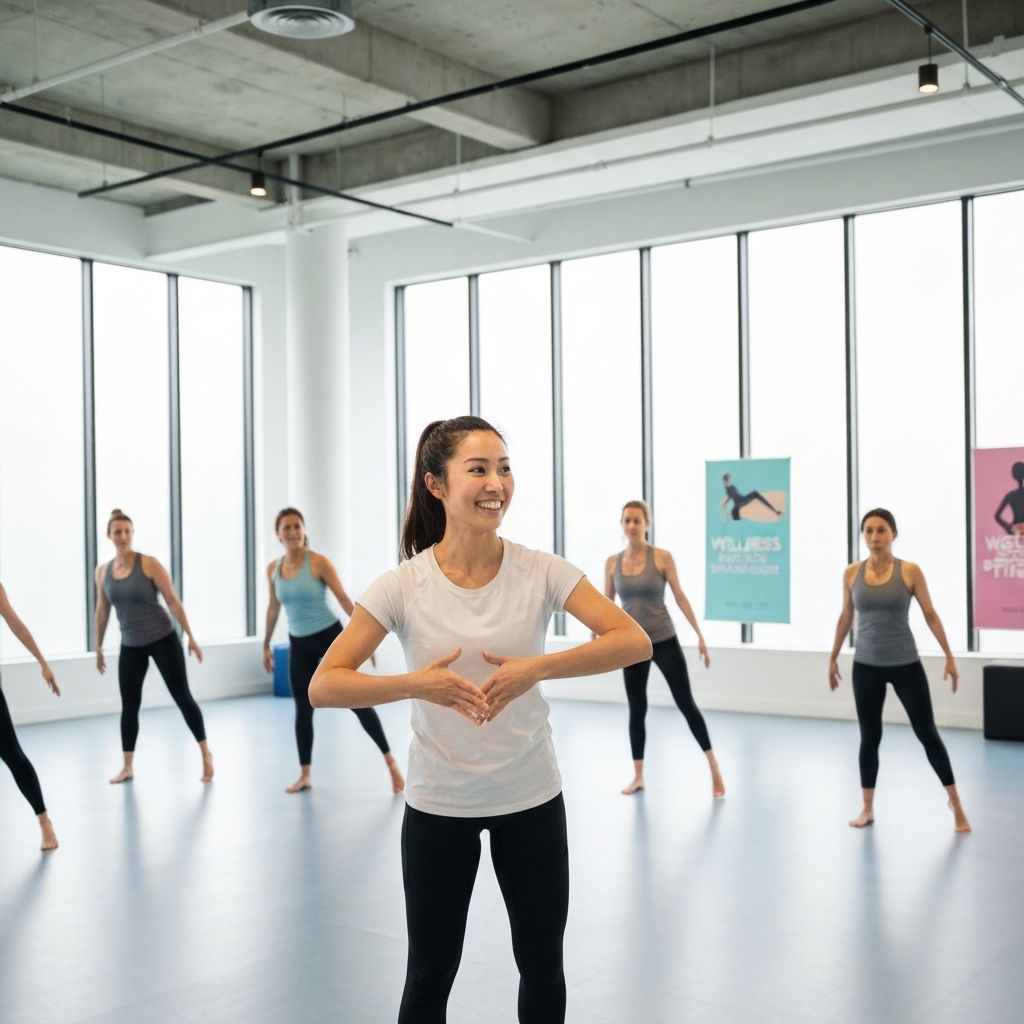
How the Movement Studio Idea Emerged

Cipra Movement Studio was created from the recognition that many people want to move better but don't fit into traditional exercise or sports contexts. The idea was to establish an environment focused purely on learning—where movement itself is the subject of study, not a means to an external goal.

The studio emerged as a response to the need for mindful, gradual, and individually adaptable physical activity, particularly for people with sedentary lifestyles or those seeking alternatives to high-intensity training.

Viewing the Body as a Whole System

We approach the body as an integrated system where all parts influence one another. A limitation in one area affects how you move overall. Similarly, improving awareness in one region often leads to changes elsewhere.

This holistic view informs how sessions are structured—movements are designed to engage multiple body parts and highlight connections between them.
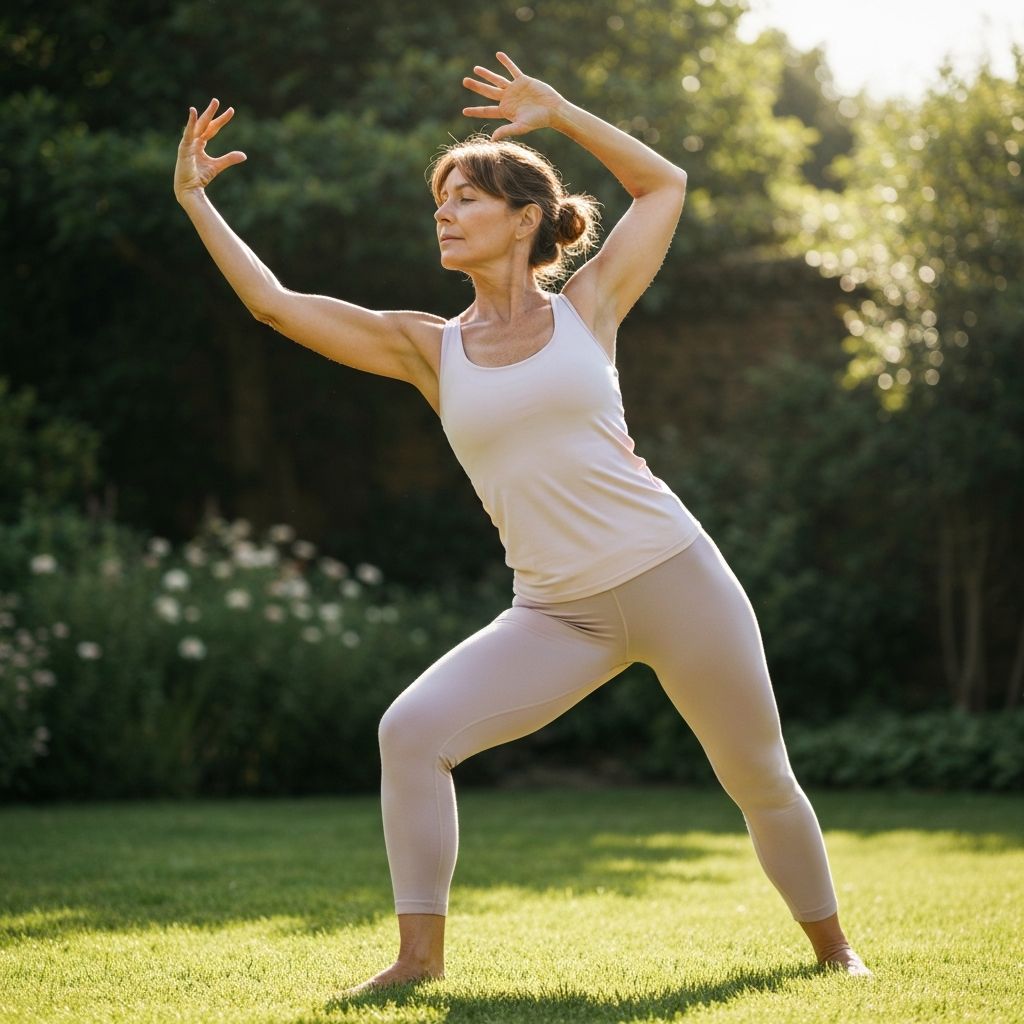
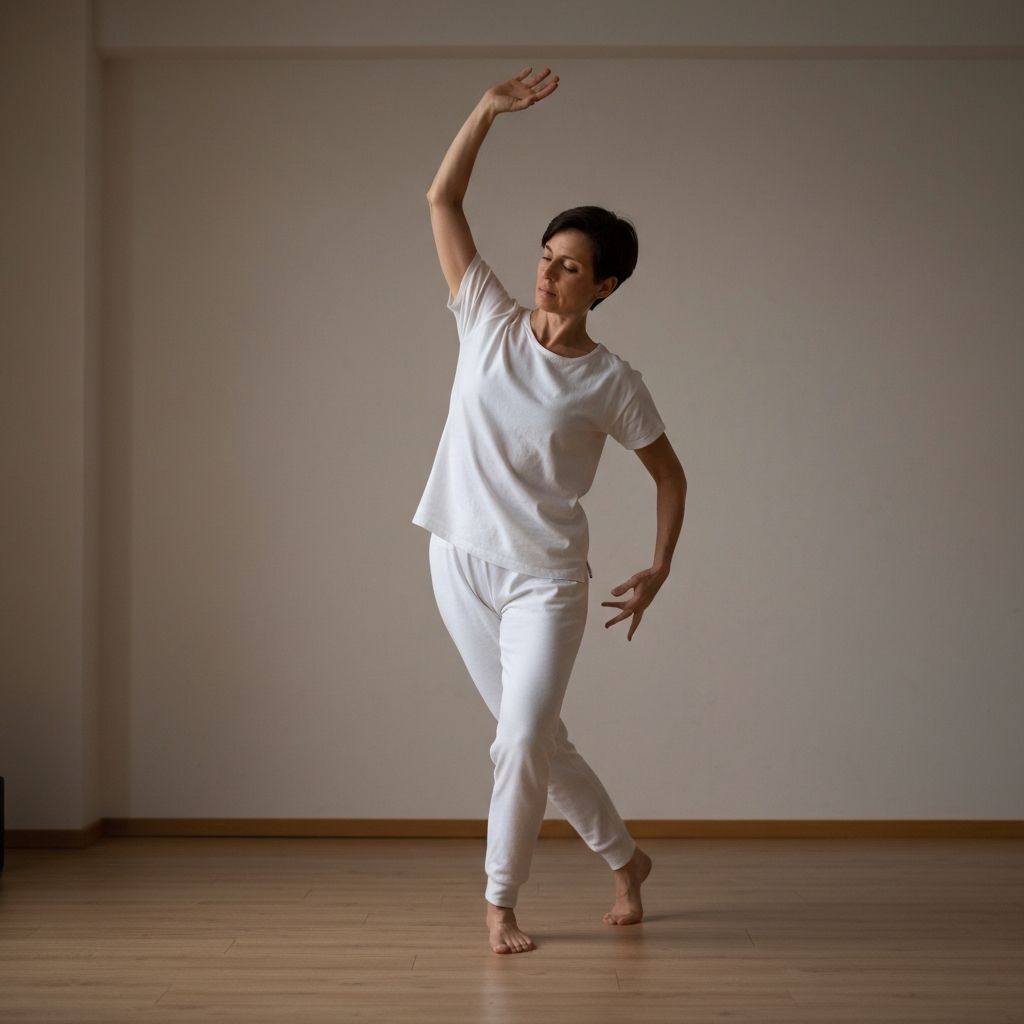
Holistic movement approach

Why Learn to Move Consciously

Most movement in daily life happens automatically. While automation is efficient, it can also lead to repetitive patterns that limit your movement repertoire and contribute to stiffness or discomfort.

Conscious movement practice allows you to notice these patterns, introduce variation, and develop more options for how you move. It's about expanding your movement vocabulary and having more choices in how you use your body.

The Role of Observation and Self-Control

Learning movement relies heavily on your ability to observe what you're doing. Instructors provide guidance, but the actual learning happens through your own attention and experimentation.

Self-control in this context means being able to modulate effort, adjust position, and regulate pace based on what you notice. It's an active, engaged process that develops over time with consistent practice.

Self-observation in movement

Principles of Gradualness and Regularity

Change in movement capacity happens gradually. There's no rushing the process. Regular, consistent practice allows your nervous system to integrate new patterns and your tissues to adapt to new demands.

We emphasize small, sustainable steps rather than dramatic leaps. This approach is safer, more sustainable, and ultimately more effective for long-term development.

Who Are Movement and Body Awareness Instructors

Our instructors are trained in movement education and body awareness methods. They understand biomechanics, motor learning, and how to guide people through exploratory movement practices.

They are not clinicians or therapists. Their role is educational—to create structured environments where you can learn about movement, offer clear instruction, suggest variations, and help you develop your own understanding of how your body works.

Instructor teaching movement

Why There Are No Promises of Results

Everyone's body is different, and everyone's response to movement practice varies. What one person experiences may not match another's experience. For this reason, we don't make promises about specific outcomes.

What we can offer is a structured, supportive environment for learning. What you gain from that depends on many factors—your consistency, your current capacity, your attention during practice, and your individual body structure.

The focus is on the process itself, not predetermined results.

How Long-Term Movement Practice Forms

Sustainable movement practice develops when it becomes part of your routine rather than a temporary effort. This happens through finding activities you can maintain, that fit your schedule, and that remain interesting over time.

The studio provides structure and guidance, but long-term practice also includes what you do outside sessions—how you apply what you've learned to everyday activities, how you maintain awareness of your body during daily tasks, and how you continue exploring movement on your own.

Building this kind of practice takes time and patience, but it's what leads to lasting changes in how you move and how you experience your body.

Ready to Explore Movement?

If you'd like to learn more or arrange a visit, feel free to get in touch.

See examples in context